Late winter may not seem like the obvious time to think about decks and fences, but it’s actually one of the smartest times to start planning. While outdoor spaces may not be in heavy use yet, the effects of cold temperatures, moisture, and seasonal wear are already in motion. February offers a valuable window to assess conditions and prepare for spring improvements before schedules begin to fill.
At Wilhoit Exteriors, we often see homeowners wait until warm weather arrives to start thinking about outdoor projects. By then, materials are in higher demand and contractor schedules are tighter. Planning ahead allows for more flexibility, better preparation, and smoother project timelines.

Winter Weather Impacts Wood More Than You Think
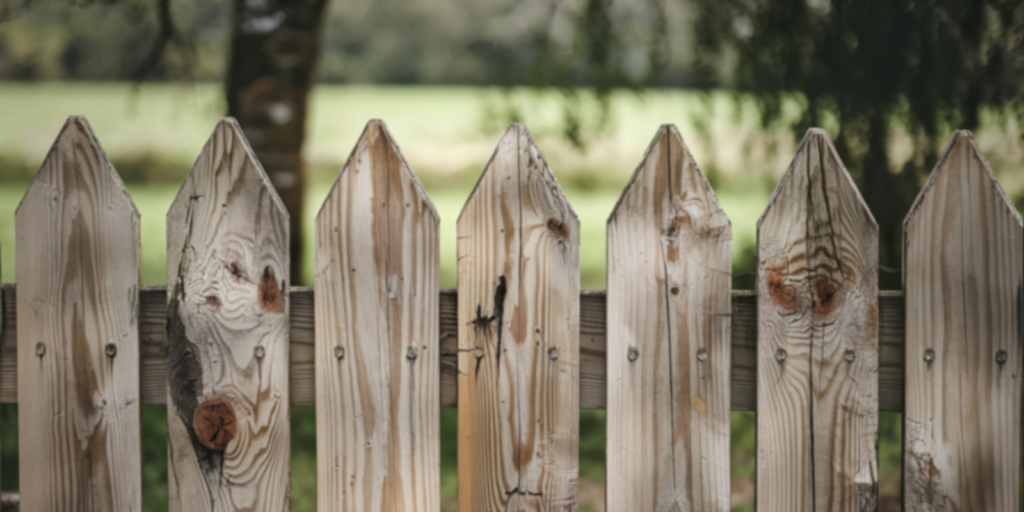
Cold temperatures and repeated moisture exposure can take a toll on exterior wood. Even in areas without heavy snow, fluctuating temperatures cause expansion and contraction within the wood fibers. Over time, this movement can lead to cracking, splitting, and weakening.
Deck boards and fence panels are particularly exposed. Moisture can seep into unprotected surfaces, increasing the risk of rot or mildew. Identifying these signs now makes it easier to address minor issues before they turn into structural concerns.
Staining and Sealing Require Planning
Deck staining and fence staining aren’t just cosmetic upgrades. Proper staining protects wood from UV damage, moisture absorption, and everyday wear. However, successful staining requires the right conditions and preparation.
By planning staining projects in late winter, homeowners can schedule work as soon as weather conditions are suitable. This prevents delays and ensures wood surfaces are protected before peak spring and summer use begins.
Fences and Decks May Need Structural Attention
Winter can also expose weaknesses in posts, fasteners, and framing. Soil movement, moisture, and temperature changes may cause fence posts to lean or deck boards to loosen. What may look like a minor issue now can worsen with heavy use during the warmer months.
A late-winter evaluation provides time to reinforce structures, replace damaged boards, or plan upgrades before outdoor gatherings become frequent again.
Planning Now Means Smoother Projects Later
One of the biggest advantages of planning deck and fence projects in February is scheduling flexibility. As spring approaches, demand for exterior improvements rises. Starting conversations now allows homeowners to prioritize projects, review material options, and establish timelines without feeling rushed.
It also provides time to make thoughtful decisions about design updates, material changes, or protective finishes that enhance both appearance and durability.
Preparing for the Season Ahead
Outdoor living spaces add value, comfort, and functionality to a home. Taking a proactive approach during late winter helps ensure those spaces are ready when the weather shifts. A well-maintained deck or fence not only improves curb appeal but also extends the life of your investment.
Wilhoit Exteriors works with homeowners to evaluate, restore, and upgrade exterior features with careful planning and quality craftsmanship. Starting early allows projects to move forward smoothly and sets your home up for a strong spring season.