When homeowners think about roofing, they usually focus on shingles. While shingles play a major role in protecting your home, they’re only part of the system. The roofline includes several critical components that work together to prevent moisture damage, regulate airflow, and support structural integrity. Some of the most important pieces are also the most overlooked.
Understanding how your roofline functions can help you spot early warning signs and prevent costly repairs down the road.
Soffit: More Than Just an Overhang
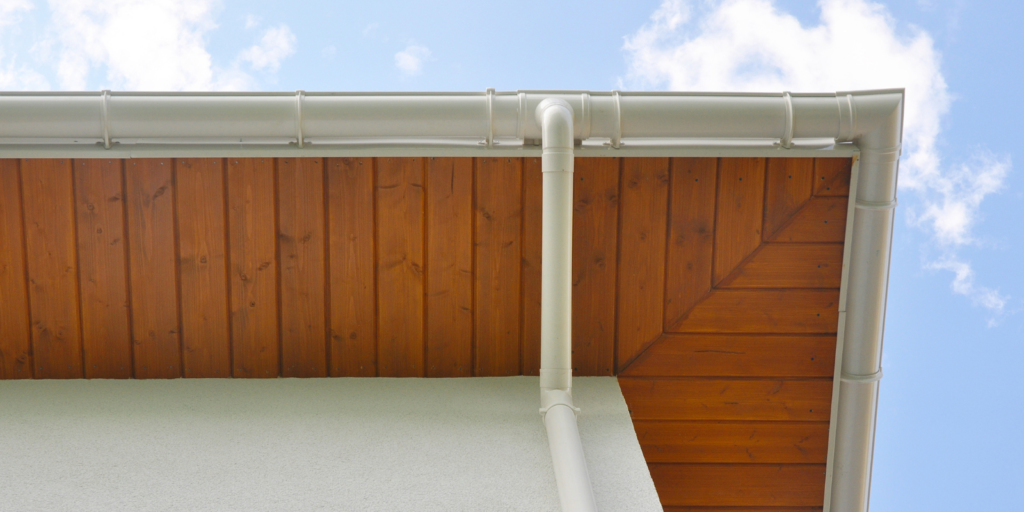
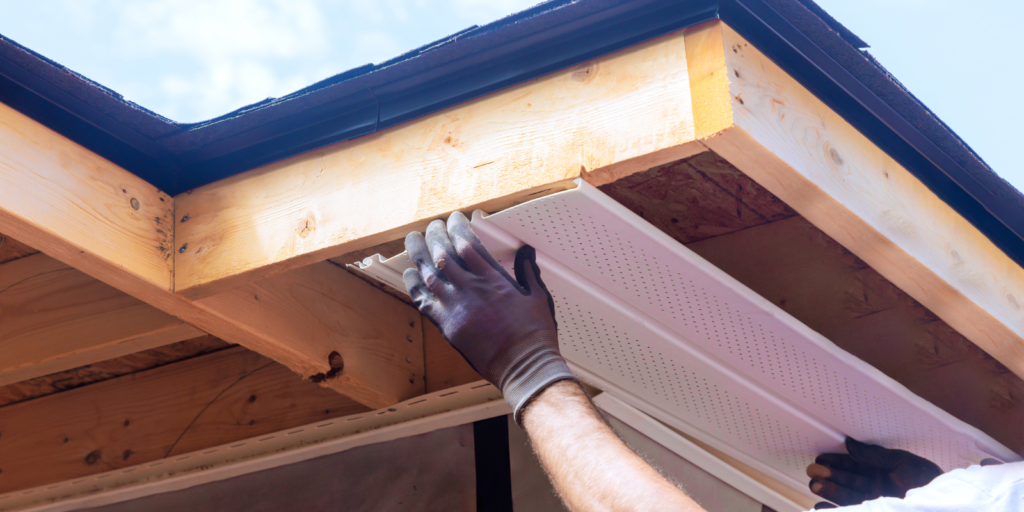
The soffit is located underneath the roof’s overhang. At first glance, it may seem like a purely cosmetic detail, but it plays a vital role in ventilation. Proper soffit ventilation allows air to circulate through the attic, helping regulate temperature and reduce moisture buildup.
When soffit panels are damaged, blocked, or rotting, ventilation can suffer. Poor airflow may lead to higher energy costs, condensation issues, or even premature roof deterioration. In some cases, pests can also enter through compromised soffit areas.
Routine inspection of soffit panels helps ensure they remain intact and properly ventilated.
Fascia: Structural Support at the Edge
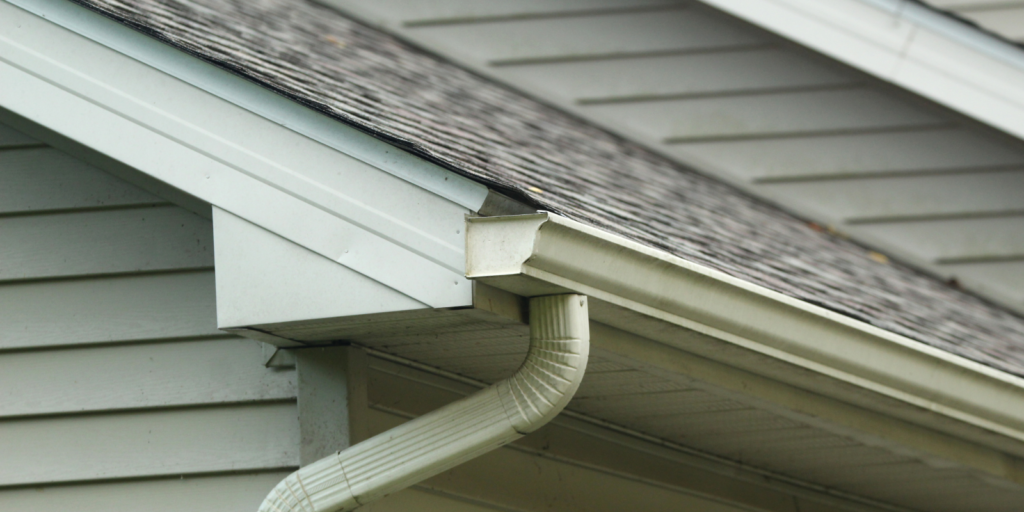
Fascia boards run along the edge of the roofline and serve as the mounting surface for gutters. They also provide structural support for the lower edge of the roof. Because fascia is constantly exposed to rain and runoff from the roof, it is particularly vulnerable to moisture damage.
When fascia begins to rot or weaken, gutters may loosen or pull away from the home. This can lead to improper water drainage and potential foundation issues. Addressing fascia damage early protects both the roof system and the exterior structure of the home.
Ventilation and Moisture Control
A well-functioning roofline supports proper attic ventilation and moisture management. Without balanced airflow, heat and humidity can become trapped inside the attic. Over time, this may cause insulation damage, mold growth, and reduced roof lifespan.
Soffit and fascia work together with ridge vents, flashing, and gutters to direct water away from the home while allowing air to circulate properly. When one component fails, the entire system can be affected.
Signs Your Roofline May Need Attention
Many roofline issues develop gradually. Homeowners should watch for:
- Peeling paint or discoloration along roof edges
- Soft or sagging wood near gutters
- Gutters pulling away from the house
- Visible cracks in soffit panels
- Signs of moisture inside the attic
Catching these indicators early can prevent more extensive repairs later.
Why Early Maintenance Matters!
The roofline protects your home from water intrusion and structural damage. While shingles often get the most attention, soffit and fascia deserve regular evaluation as well. Small repairs in these areas can prevent larger roofing or structural problems over time.
Wilhoit Exteriors works with homeowners to assess and maintain complete roofing systems, including the critical components along the roofline. Taking a proactive approach helps preserve both the performance and appearance of your home’s exterior.